
The Creative Democracy Struggle
Daisy Jones & the SixThe band’s attempt to share creative authority opens space for Daisy Jones and other members, but old habits and unequal power keep undermining the promise.
increasing Bearing strength in each event
 decreasing
Bearing strength in each eventdecreasingBilly’s Early Control
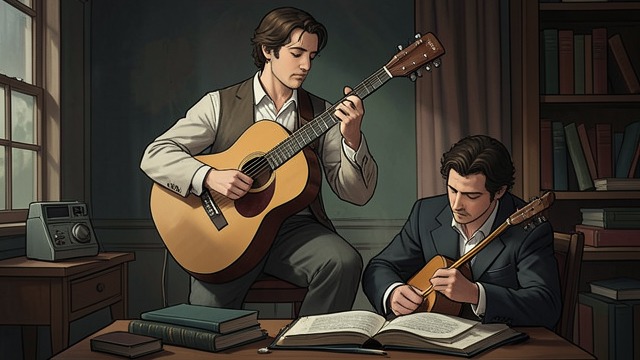
Billy’s Early Control
One voice directs the sound
Billy Dunne writes songs and often dictates the other musicians’ parts. Teddy Price reinforces Billy’s central status by asking for his judgment more than anyone else’s.
Quiet resentment
Eddie Loving and others notice that their contributions are restricted, but the band’s success and Billy’s talent make resistance difficult. The system works artistically while leaving members feeling secondary.
Daisy Demands a Place
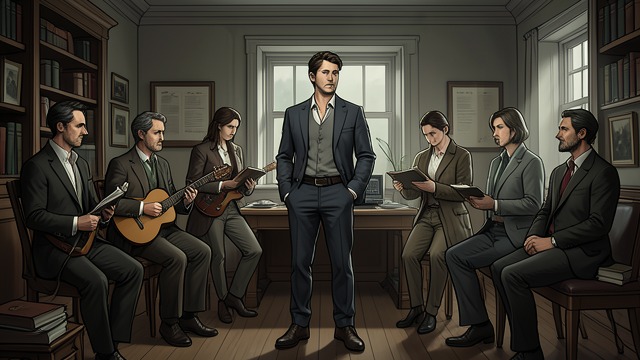
Daisy Demands a Place
Terms stated aloud
At the band meeting, Daisy Jones says she wants a real voice in the album, not a temporary feature. Her demand makes explicit the power imbalance everyone else has learned to tolerate.
A compromise in the name
Billy Dunne resists giving her equal standing, and Teddy Price settles the argument by naming the act Daisy Jones & The Six. The title recognizes her commercial draw without resolving who truly has authority.
A Band in the Studio

A Band in the Studio
Contributions admitted
As Aurora begins, Billy Dunne agrees that Daisy Jones and the others can contribute. The group creates a new arrangement for Aurora that Billy would not have devised alone.
Trust tested in practice
Billy initially finds the arrangement uncomfortable, then accepts Teddy Price’s counsel to trust his bandmates. The track demonstrates the creative value of shared authority, though it does not erase old hierarchies.
The Vote on Regret Me
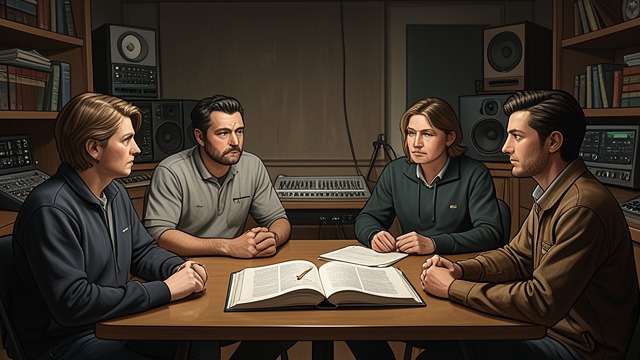
The Vote on Regret Me
A challenge to veto power
Billy Dunne refuses to record Daisy Jones’s furious new song. Daisy argues that it fills a thematic gap and calls the group together to vote.
An uneasy majority
Most members support the song, and Billy walks away rather than block the decision. The vote proves that the band has changed, but also turns creative disagreement into a public contest over leadership.
The Album Reclaimed
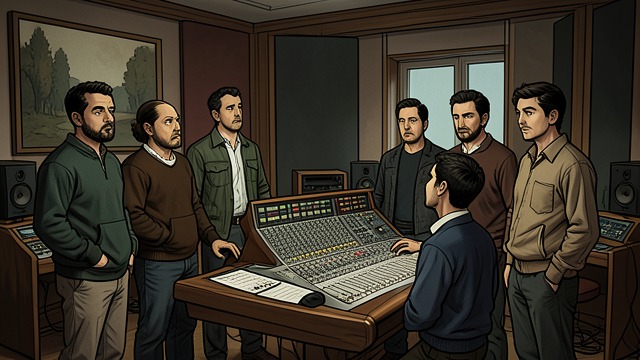
The Album Reclaimed
Decisions behind closed doors
While the other musicians leave, Billy Dunne and Teddy Price remix tracks and replace or reshape several contributions. The finished album becomes more layered, but bandmates discover changes only when they hear the final mix.
Democracy’s unfinished promise
The record’s quality does not settle whether the process was fair. Billy believes Teddy’s judgment is decisive; other musicians see their new creative voice overridden once again.
recording the first album, early 1970s
summer 1977, after Daisy joins the album project
August 1977
late 1977, during recording
early 1978, before Aurora’s release
